Whoa, this caught my eye. I was poking around some new browser wallets recently. MetaMask has been my go-to for the past several years. But somethin’ felt off about its permission model lately. Initially I thought it was just fatigue with constant popups and gas confirmations, but then I kept running into weird approvals and odd token interactions that made me re-evaluate what I needed from a wallet.
Really? I wondered out loud. I started testing alternatives, focusing on multi-chain support and security-first design. One extension kept popping up in conversations and threads. It promised better UX for advanced DeFi flows and clearer permission controls. After a week of heavy use across Ethereum, BSC, Polygon and a few EVM-compatible testnets, I noticed measurable differences in how approvals were presented and how transactions could be pre-simulated before signing, which felt like a small but meaningful privacy and safety upgrade.
Whoa, this is different. My instinct said ‘try it with a hardware wallet’. Integration worked smoothly with Ledger and Trezor during my tests. The extension kept a clear activity timeline and a per-site permission matrix. On one hand I appreciated the clarity; on the other hand the UX still had rough edges around token imports and custom RPCs, so I had to be selective about daily workflows versus deep experimental testing.
Seriously, this was promising. I liked how transaction details were broken down into human-friendly steps. Gas estimates and route choices for swaps were surfaced before I confirmed. Those little cues prevented me from signing garbage transactions accidentally. Actually, wait—let me rephrase that: not all ‘garbage’ was obvious, and sometimes contract calls that looked fine on first glance included nested approvals, so having a simulation and a human-readable call breakdown turned out to be valuable for spotting subtle risks.
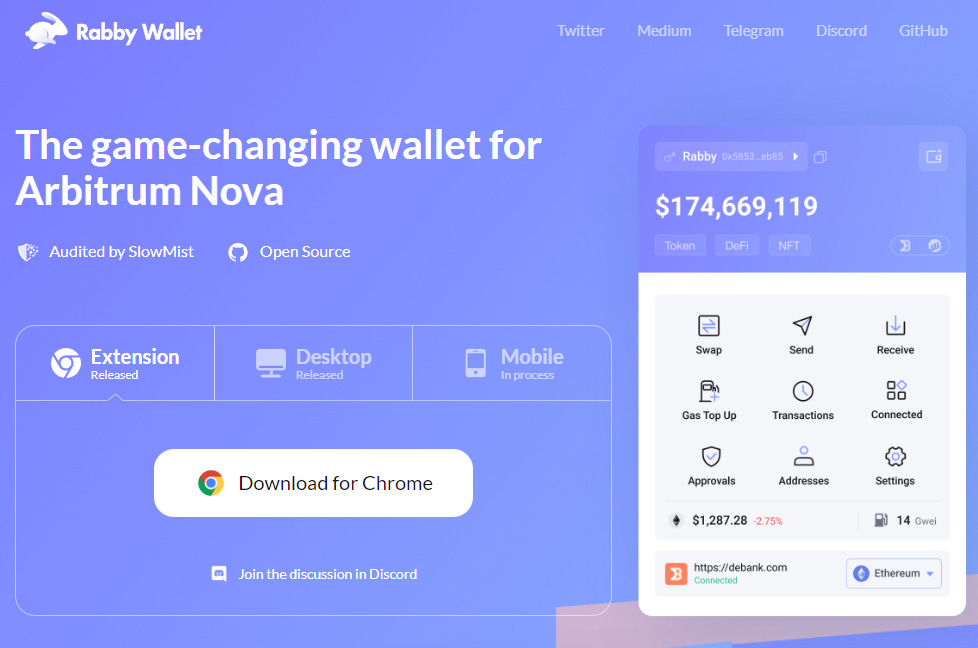
Here’s the thing. Wallets should be simple for newcomers and powerful for pros. Rabby struck that balance for me, offering settings that hid complexity by default. I could whitelist common contracts while still reviewing one-off approvals in depth. Because DeFi is messy and a lot of risk lives in seemingly tiny UX choices, having a wallet that nudges you toward safer defaults without breaking the flow felt like a real win for on-chain security hygiene.
A practical take: real workflows and small protections
Hmm… I’m cautious here. I’ll be honest, some interface choices still bug me a bit. Switching wallets meant reauthorizing approvals across chains, which was tedious. And I tripped on a couple of subtle compatibility quirks with dapps I use. On balance those are solvable pain points—developers will iterate—but they matter to power users who move assets frequently and depend on predictable permissioning to keep funds safe.
Okay, so check this out— I took Rabby through a full workflow: bridging, swapping, and providing liquidity. The UI offers contextual warnings when slippage or unusual approvals appear. That helped me pause before confirming a high-slippage zap I hadn’t intended. In my testing, that pause prevented a significant loss of funds on a chain where I hadn’t fully configured gas settings, and honestly that small prevention was worth the switching friction alone; if you want to try it, start by downloading rabby wallet.
I’m biased, but… I care about privacy and fine-grained permissions more than flashy swap animations. Rabby lets you manage permissions per-site and revoke allowances without drama. That small tooling changes how often you actually remove approvals. If you’re a US-based DeFi user juggling multiple chains and custodial strategies, that granular control and clear feedback loop can reduce cognitive load during hectic market moves or fast front-running threats that show up on certain networks.
I’m not 100% sure. But my overall feeling shifted from cautious to cautiously optimistic. Try it on a small account first, and keep hardware wallets in the loop. For many advanced DeFi users, the improvement is immediate and tangible. If you want to download and test it yourself, consider starting with official sources and the extension’s site; remember to always test with small amounts before moving significant funds.
FAQ
Is a multi-chain extension safer than MetaMask?
Short answer: sometimes. A wallet that surfaces approvals, simulates transactions, and offers per-site permission controls can reduce accidental exposures, though your security still depends on cautious habits and hardware wallets for large holdings. In practice, the tooling makes a difference when you interact with complex DeFi flows, but it doesn’t replace good operational security—so use small test amounts, keep backups, and be wary of unknown contracts.